
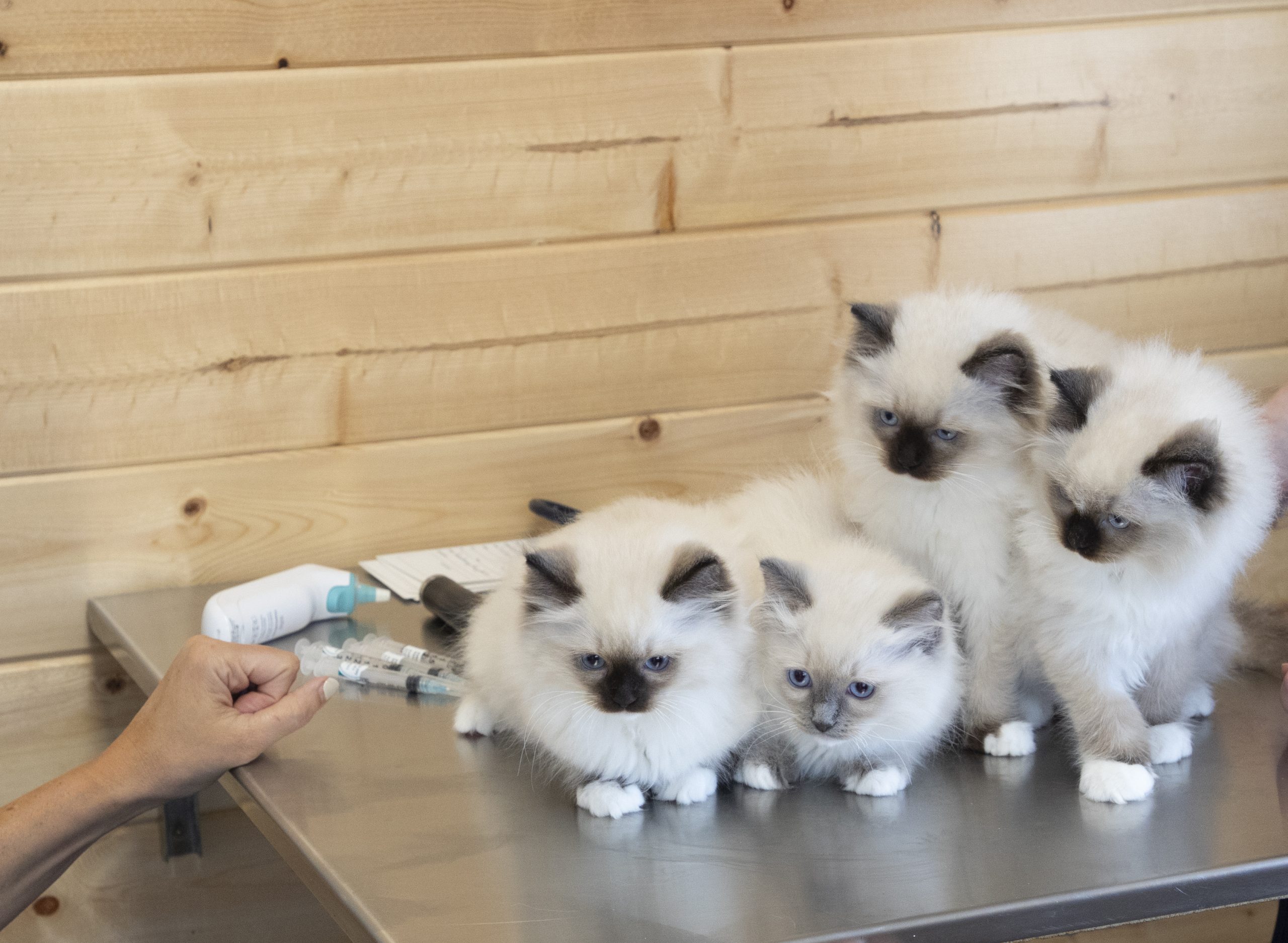
Bringing home a puppy or kitten changes your household instantly.
One day your home is peaceful. The next, there are tiny paws skidding across the floor, mysterious thumping noises from another room, and someone proudly sprinting away with a sock they absolutely should not have.
The first year with a new pet is equal parts adorable, chaotic, hilarious, and occasionally exhausting. It is also one of the most important stages for building lifelong health and good habits.
At Tanglefoot Veterinary Services, we love helping new pet owners navigate those early months with practical care, honest advice, and support that fits real life — because raising a puppy or kitten rarely goes exactly according to plan.
Here’s what you can expect during your pet’s first year.
The First Vet Visit: Earlier Is Better
A lot of people wait until something seems wrong before booking their first appointment. With puppies and kittens, it is much better to start early.
Your pet’s first wellness visit is about more than just a quick check-up. It gives us a chance to:
- Check growth and overall health
- Look for congenital concerns
- Discuss feeding and nutrition
- Create a vaccine schedule
- Talk about parasite prevention
- Answer all those “Is this normal?” questions
(And trust us — we have heard them all.)
Early visits also help your pet learn that the veterinary clinic is a safe, friendly place, not somewhere they only visit when they feel unwell.
Vaccines: Tiny Appointments, Big Protection
Puppies and kittens need a series of vaccines during their first few months because their immune systems are still developing.
But these appointments are not just about vaccines. They are also important growth checkpoints. We monitor weight, teeth, body condition, behaviour, and overall development as your pet grows.
Skipping or delaying boosters can leave gaps in protection — and young pets are experts at finding trouble before they find common sense.
Parasite Prevention: Because Puppies Eat Everything
Seriously. Everything.
Grass. Sticks. Leaves. Puddles. Random crumbs on the sidewalk. The mysterious thing under the couch. Kittens are not much better.
That curiosity is exactly why parasite prevention matters early. Fleas, ticks, intestinal worms, and other unwanted hitchhikers are much easier to prevent than treat later.
We help you choose the right prevention plan based on your pet’s age, lifestyle, and the season.
Nutrition Sets the Tone for Growth
The first year is not the time for guesswork when it comes to food.
Growing pets need the right balance of calories, protein, minerals, and portion sizes to support healthy development. Too little nutrition can slow growth. Too much can create weight issues surprisingly early.
Some puppies inhale every meal like they are training for a competitive eating contest. Others stare at perfectly good food like you have personally offended them. Both are completely normal.
We can help you sort through feeding amounts, diet choices, treats, and food transitions without getting lost in conflicting internet advice.
Spay & Neuter: Real Conversations, Not One-Size-Fits-All Answers
There is no universal “perfect age” for every pet.
Breed, size, species, behaviour, and overall health can all play a role in deciding timing. That is why we prefer individualized conversations instead of blanket recommendations.
During your puppy or kitten’s first year, we will talk through timing, benefits, recovery, and what makes the most sense for your specific pet and lifestyle.
Behaviour Starts Earlier Than Most People Think
Training starts the moment your new pet walks through the door.
That goes for puppies learning house training and leash manners, as well as kittens figuring out litter habits, scratching behaviour, and confidence around people.
Early guidance can help with:
- House training
- Biting and nipping
- Crate comfort
- Leash manners
- Socialization
- Fearful behaviour
- Healthy enrichment for indoor cats
Small habits have a funny way of becoming very big habits later.
Dental Care Starts Young Too
Many owners are surprised to learn that dental care should begin during the first year.
Getting puppies and kittens comfortable with gentle mouth handling, tooth brushing, and routine dental checks now can save everyone a lot of stress down the road.
As with most things in veterinary medicine, prevention is always easier than repair.
You Do Not Need to Know Everything
New pet owners sometimes worry that asking questions means they are doing something wrong.
Actually, asking questions is usually a sign you are doing things right.
Nobody is born knowing why a puppy suddenly develops a passion for eating mulch, or why kittens turn into tiny race cars at 2 a.m. Questions are part of the process — and asking early can often prevent bigger issues later.
Your First-Year Partner at Tanglefoot
The first year goes by fast. Tiny paws become full-sized companions before you know it.
At Tanglefoot Veterinary Services, we are here to help you through every stage — from first vaccines and nutrition advice to all the little concerns that come with raising a young pet.
Because great adult pets usually start with a well-guided first year.
Welcoming a new puppy or kitten? Book their first visit with Tanglefoot and let’s give them the best possible start.