
What is Leptospirosis?
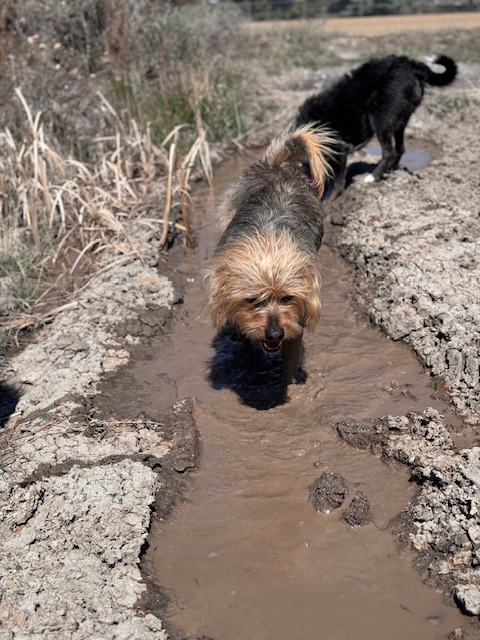
Leptospirosis is a bacterial infection caused by Leptospira. It affects dogs (most commonly), cats (very rarely), and many wild, farm, and domestic animals. It can also pass to people, making it a zoonotic risk. These bacteria thrive in warm, wet environments, such as after rain, flooding, or in puddles and stagnant water.
How Your Pet Contracts It
Dogs typically catch leptospirosis by:
- Drinking or swimming in contaminated water (ponds, streams)
- Contact with urine from infected wildlife (rodents, raccoons, skunks)
- Through skin wounds, mucous membranes, or even from birth.
- Cats can become carriers, even though illness is rare, they may still shed the bacteria in their urine
Signs to Watch For
Symptoms vary from mild to life-threatening. Early red flags include:
- Fever, lethargy, muscle/joint pain
- Loss of appetite, vomiting, diarrhea
- Increased thirst or urination
- Jaundice (yellow gums or eyes), dehydration
In severe cases, complications can include:
- Kidney or liver failure
- Bleeding issues, respiratory distress
- Swollen limbs or severe fluid buildup
Because symptoms overlap with other diseases, vets often order blood tests, urinalysis, ultrasound, PCR testing, and antibody assays for a clear diagnosis
Treatment & Recovery
Early intervention is key:
- Antibiotics
- Supportive care: IV fluids, medications, nutritional support
- Severe cases may need dialysis or oxygen therapy
If caught early, recovery is possible, but organ damage may be permanent.
Prevention Strategies
1. Vaccination
- Vaccines for dogs are available and highly recommended.
- Latest guidelines (AAHA) now consider it a core vaccine for dogs
2. Environmental precautions
- Keep pets away from puddles, stagnant water, and areas with wildlife activity
- Secure yards, clean up rodents promptly, and avoid letting pets drink from natural water sources
3. Hygiene & safe care
If your pet is diagnosed, you can help prevent spread to humans and other animals by:
- Following your vet’s antibiotic plan
- Wearing gloves when cleaning urine
- Washing hands thoroughly afterward
Why It Matters to YOU
- Zoonotic risk: Pet infections can potentially transmit to you or other family members
- Rapid onset: Even a healthy dog can deteriorate in a matter of days.
- Prevention is much easier than treatment: Vaccination plus environmental hygiene drastically reduces risk—with minimal side effects.
Quick-Reference Guide
| Action | Why It Matters |
|---|---|
| 1. Vaccinate your dog (annually) | Provides strong protection against most common strains |
| 2. Avoid unsafe water | Prevents exposure to contaminated sources |
| 3. Keep rodents at bay | Reduces the main wildlife source of infection |
| 4. Be observant | Early signs = better treatment outcomes |
| 5. Clean carefully | Protects your family & other pets post-diagnosis |
Bottom Line
Leptospirosis is a serious and growing health threat for pets (and people), especially in warm, wet conditions or areas exposed to wildlife. The good news? It’s largely preventable through safe vaccines, environmental precautions, and prompt care.
Citation
- ASPCA. (2021, March 11). Leptospirosis in pets: What it is and how to prevent it. ASPCA. Retrieved from https://www.aspca.org/news/leptospirosis-pets-what-it-and-how-to-prevent-it reddit.com+5aspca.org+5avma.org+5
- Centers for Disease Control and Prevention. (2025, April 4). About leptospirosis. In Leptospirosis – CDC. Retrieved from https://www.cdc.gov/leptospirosis/about/index.html cdc.gov+1cdc.gov+1
- Centers for Disease Control and Prevention. (2025, April 4). Preventing leptospirosis after hurricanes or flooding. In Leptospirosis – CDC. Retrieved from https://www.cdc.gov/leptospirosis/prevention/index.html cdc.gov
- Centers for Disease Control and Prevention. (2025). Leptospirosis. In CDC Yellow Book 2026: Health information for international travel. Retrieved from https://www.cdc.gov/yellow-book/hcp/travel-associated-infections-diseases/leptospirosis.html cdc.gov+1wwwnc.cdc.gov+1
- Nolen, R. S., & Larkin, M. (2024, March 18). Updated guidance on canine leptospirosis reflects better understanding of disease. American Veterinary Medical Association. Retrieved from https://www.avma.org/news/updated-guidance-canine-leptospirosis-reflects-better-understanding-disease avma.org
- American Animal Hospital Association. (2022). Key vaccination: Leptospirosis. In 2022 AAHA Canine Vaccination Guidelines. Retrieved from https://www.aaha.org/resources/2022-aaha-canine-vaccination-guidelines/leptospirosis/ aaha.org+5aaha.org+5