
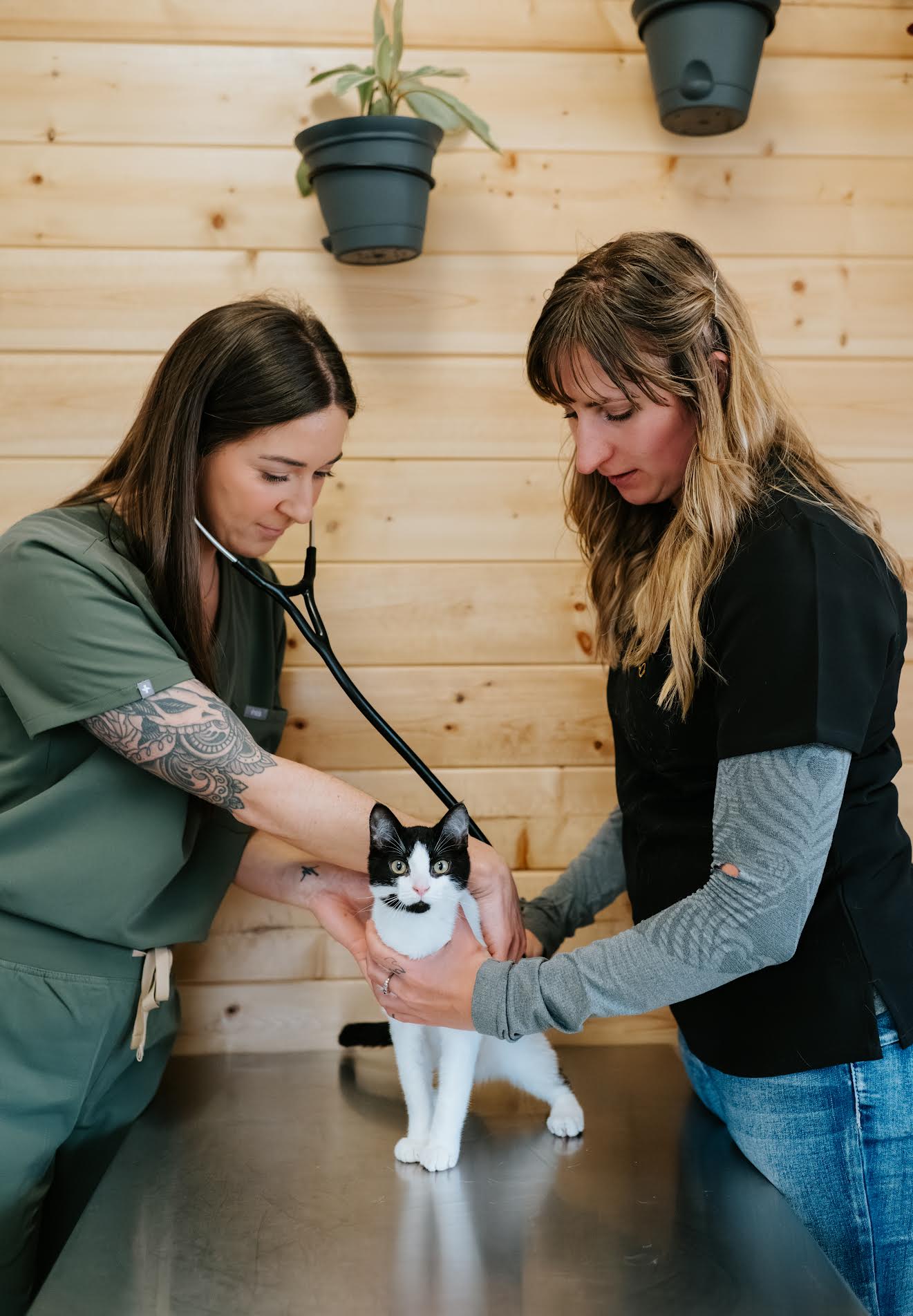
When I entered the Veterinary Medicine field a decade ago, the clinic I found myself training in was, in many regards, a great place to learn and work. It had a high standard of patient care and compassion, and clients sought us out for our professionalism. It also had a work flow consistent with a “we will get this done” mindset. Direct. No nonsense. We were not taught to be mean or forceful, but we were taught animal handling skills that would ensure that we could do what needed to be done safely and effectively.
As time went on, we heard about “Fear Free” practices, but the image that formed in our head was one that sacrificed the practice of good medical care in order to avoid any level of discomfort on the side of the pet. What good was it if your pet was completely comfortable in clinic, but we were unable to handle them in order to run diagnostics and treat them?
As I said, we were not taught to be mean or unnecessarily forceful. We had systems in place to manage more difficult situations as they arose. If an animal came in for a blood draw and was overly anxious, wiggly, or aggressive, our protocol was to pair the animal
with a tech or doctor who was best at working with that kind of patient – either through their animal handling skills, calm demeaner, or reliable quick-draw skills. The goal was to get the animal in and out of the treatment area as quickly as possible to mitigate the stress that time in clinic put on the animal. In rare cases, we had animals that would
need to be fully sedated when they came into the clinic, a stressful event for everyone involved!
Over time, new anti-anxiety or sedation medications came out that we employed in special cases. Animals that once had to be muzzled by their owner in clinic as they would lunge and try and bite the staff came in and we were able to perform full physical examinations. That overly-excitable pup that would simply not sit still for blood draws finally settled enough to allow us to draw a good sample. We could look into ears, trim nails, and place IV catheters on animals that would not have been tolerant of any of these things prior. The implementation of medications made these pets, and their owners, less stressed in clinic. This is when the full potential of Fear Free clicked. The use of pre-appointment medications enabled us to work with the patients, and they with us. Appointments ran smoother. Patients and clients were happier. Staff was less stressed.
Fast forward to today, and the use of Fear Free techniques and medications are an integral part of everyday care. Veterinary practitioners and pet owners alike have learned the value of ensuring a calmer mindset for the animals in our care, and the profession as a whole is stepping up to meet standards of care that prioritize mitigating stress whenever possible.
Fear Free Medication protocols such as the “Chill” Protocol are not your vet team wanting to “drug up” your pet for our own convenience. These protocols help your pet to feel better and be less anxious about the veterinary process. When there is less stress
on the side of the patient, we are able to provide the high standard of care that we strive for, benefitting everyone in the end.
So if your veterinary team wants to talk to you about the use of medications to lessen stress for your pet, please know that we are offering this because, as with everything we do, we want to help.